Step 1
Submit
Upload manuscript, metadata, and declarations in the guided wizard.
Nahda Publications | Peer reviewed journals

Just published
The newest open scholarship from the Nahda journal family.
Nahda Journal of Social Sciences and Humanities · Vol. 1.0 · Issue 1
Abena Pinamang, Nunana Klenam Djokoto
Read more →
Nahda Journal of Theoretical and Computational Scientific Discovery · Vol. 1.0 · Issue 1
Felix Owusu
Read more →Get started
Whether you are submitting a manuscript, reading open research, or guiding peer review, Nahda Publications supports every stage of scholarly communication.
Experiment → peer-reviewed paper
Submit through our guided workflow, track peer review, and publish with a Nahda Identifier across our journal portfolio.
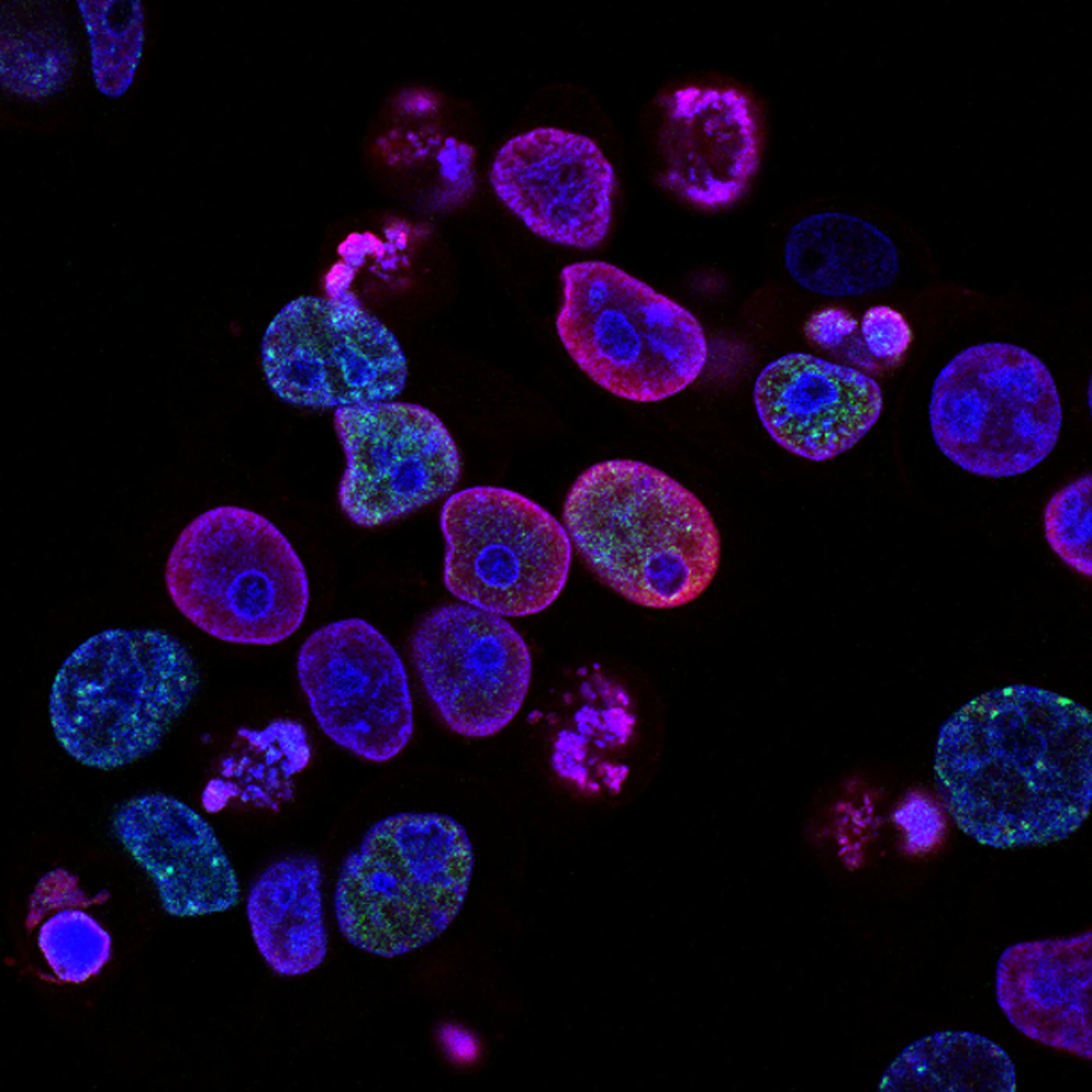
From the lab bench to a citable record—publish discoveries that other researchers can build on.
The latest from Nahda
Announcements from the editorial office and the newest open articles across our journals.

2026-09-21
EUI Jean Monnet Fellowship 2027 (European University Institute) in Italy
EUI Jean Monnet Fellowship 2027 (European University Institute) in Italy Host: Robert Schuman Centre for Advanced Studies, European University Institute (EUI) Host Country: Italy (Florence) Category: Postdoctoral Fellowship Eligible: All Nationalities Reward: Fully funded; tax-free monthly stipend of 2,850 EUR (or minimum 2,100 EUR if maintaining external salary/funding), family allowance of 310 EUR per month for a co-residing partner and 210 EUR per month per dependent child, travel reimbursement up to 1,200 EUR, and a 650 EUR research expenses allowance Deadline: 23 October 2026, 14:00 CEST Duration: 12 months (academic year 2027-2028) Slots: Up to 20 fellowships per year Eligibility: • Must have obtained a doctorate more than 5 years before the fellowship start date of 1 September 2027 (PhD awarded before 1 September 2022) • Open to post-docs, tenure-track academics, and those wishing to spend their sabbatical at the Centre • Candidates of all nationalities are eligible Required documents: CV with list of publications, letter of motivation (1-2 pages), research proposal (2-4 pages), passport copy, 2 academic reference letters

2026-09-21
Fully Funded UK Government Chevening Scholarship 2027 Open
*Fully Funded UK Government Chevening Scholarship 2027 Open* Chevening is now accepting applications for 2027. This prestigious UK Government program supports future leaders to study in UK. What the program may include (as per official site): 1) Tuition coverage 2) Return airfare 3) Monthly living allowance 4) Arrival and departure allowances 5) Visa costs and other support Degree: One-year Masters in the UK Deadline: 6 October, 2026 Supported by the UK Foreign, Commonwealth & Development Office (FCDO) https://www.chevening.org/apply/
2026-09-06
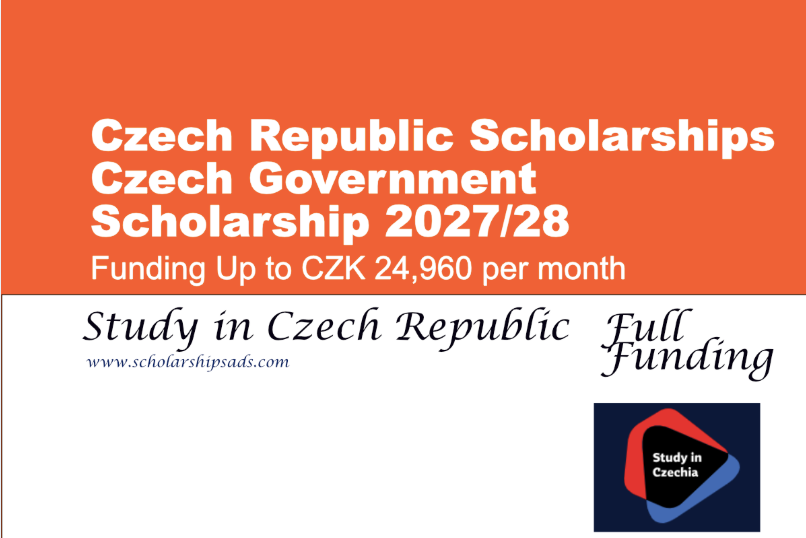
Czech Government Scholarship 2027/28 for International Students
The Czech Government Scholarship 2027/28 is now open for applications from eligible international students who want to pursue selected Master’s and PhD programs in the Czech Republic.

2026-09-06
Oxford Saïd Future Leaders Scholarships 2027, UK (Funding Up to £40,000)
The Oxford Saïd Future Leaders Scholarships 2027 offer MBA applicants an opportunity to receive up to £40,000 toward their course fees at the University of Oxford. The scholarship is designed for talented candidates who demonstrate strong leadership potential, career progression, academic achievement, and the ability to contribute to the Oxford Saïd community
The newest papers are featured above. Browse the full catalog for more. View all articles →
Publishing pathway
A clear path from manuscript upload to open publication.
Step 1
Upload manuscript, metadata, and declarations in the guided wizard.
Step 2
Technical screening and editor assignment.
Step 3
Single/double-blind or open review with structured scorecards.
Step 4
Accept, revise, reject, or transfer, with clear author actions.
Step 5
Copyediting, proofs, DOI, issue assignment, and indexing.
Portfolio
Open-access journals delivering peer-reviewed research across the Nahda family of titles.
Open access
Open access
Open access
Open access

Open access
Open access

Open access
Open access
For authors
Create an account, choose a journal, and track your manuscript from peer review through NID assignment and open publication.